
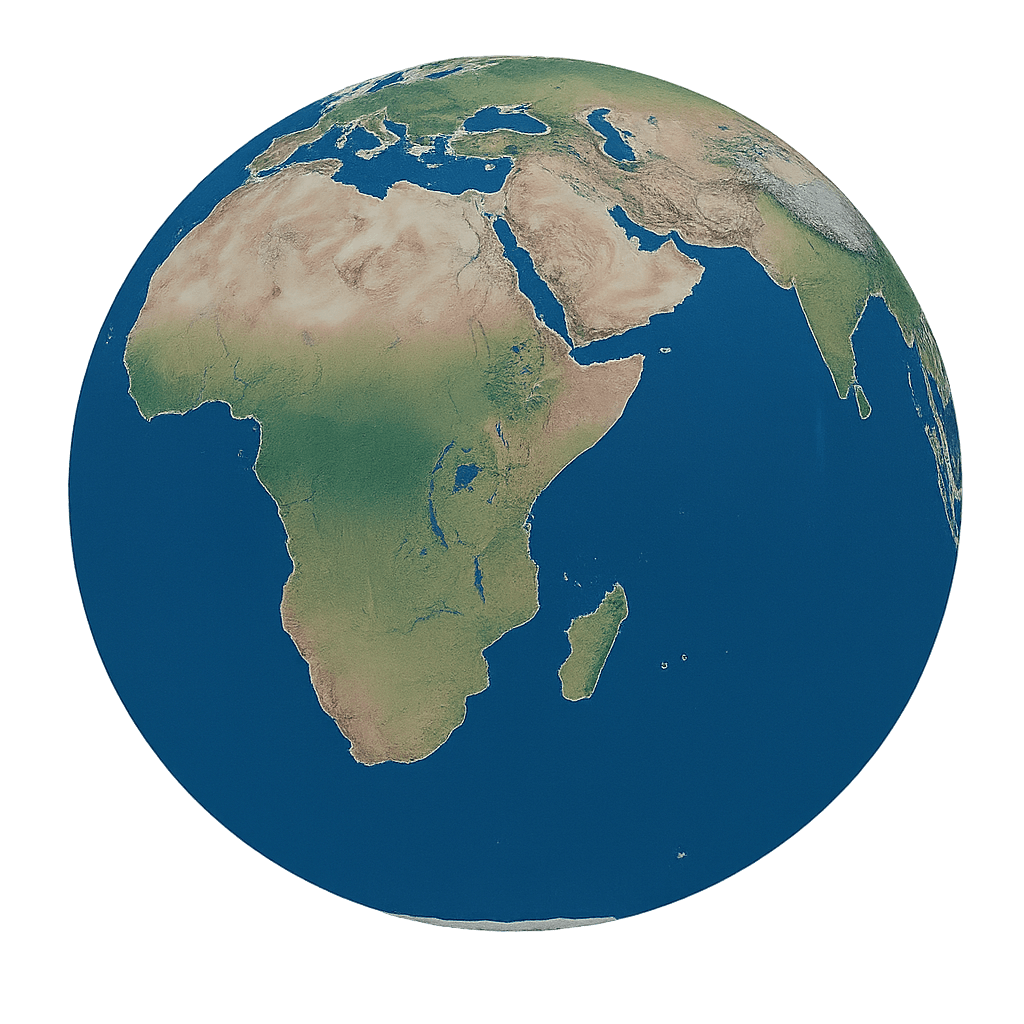
Horn of Africa Conflict Spillover: Renewed fighting in Ethiopia is spreading beyond Tigray into Amhara and Afar, with UN warnings of a wider humanitarian disaster and fears the conflict could entangle neighboring crises. Maritime Safety & Care: Somalia-linked pirate attacks continue to ripple into health and welfare systems—Pakistan says injured crew from the hijacked MT Honour 25 were moved to Puntland for treatment, while the bodies of three killed Pakistanis have reached Addis Ababa for repatriation. Family Health Support: Pakistan’s PMO announced Rs12.5m compensation per bereaved family, plus free education and healthcare for children and housing for families of the three sailors killed in the Somalia rescue operation. Food & Nutrition Alarm: A major food crisis is building across East Africa, with Somalia facing severe hunger and acute malnutrition risks for nearly 1.9 million children this year, as conflict and aid cuts worsen. Humanitarian Funding: The UN released $160m from its emergency fund for crises including Somalia, aiming to keep lifesaving services running amid access constraints. Health System Under Strain: Somalia’s reproductive health remains heavily disrupted by insecurity and shortages of health workers, with maternal mortality far above global targets and low rates of antenatal and postnatal care. Travel Risk Context: The US listed multiple African countries at Level 4 “Do Not Travel,” including Somalia, citing serious safety and health risks and limited consular support.
AGP Executive Report
Your go-to archive of top headlines, summarized for quick and easy reading.
Note: AI summary from news headlines; neutral sources weighted more to help reduce bias in the result. Feedback is welcome. Please let us know if you have any comments or suggestions about the AGP Executive Report.
Piracy Aftermath & Care: Pakistan says four of the 10 crew affected by the hijacking of MT Honour 25 off Somalia will arrive in Karachi on Saturday, while three Pakistani sailors killed during the Sept. 29 recovery are being repatriated; survivors were moved to Puntland’s Garowe for treatment. Family Support: Prime Minister Shehbaz Sharif announced Rs12.5m for each bereaved family, plus a house, and free education and healthcare for the children. Humanitarian Funding: The UN released $160m from its emergency fund for crises including Somalia, warning money alone won’t overcome access barriers. Baidoa Health Under Strain: UNICEF and MSF report worsening violence and food crisis impacts in Baidoa, with children dying and health facilities damaged, as fighting disrupts care. Reproductive Health Gap: A new review highlights how insecurity, shortages of health workers, and weak access leave preventable maternal and reproductive harm high in Somalia. WASH & Conflict Link: WASH insecurity mapping flags escalating conflict pressures that can quickly translate into worse health outcomes.
Somalia–Piracy Response: Pakistan says four Pakistani sailors freed from the MT Honour 25 are being repatriated after Somali forces recovered the tanker; survivors were moved to Garowe for care, while three Pakistanis killed in the operation are being prepared for return, with PM Shehbaz Sharif announcing Rs12.5m support per family plus free education and healthcare for children and a house for each bereaved family. Baidoa Health Impact: ICRC reports at least 148 wounded treated at four hospitals after heavy fighting in Baidoa, with MSF warning of damage to a health facility and attacks affecting care. Reproductive Health Under Strain: A review highlights how insecurity, displacement, and health-worker shortages keep maternal and reproductive services out of reach for many Somali women, with very low rates of complete maternity care. Hunger Pressure: UNICEF and WFP warn Somalia’s worsening hunger crisis is driving violence and pushing families further from basic services, with conflict-linked access problems compounding malnutrition risks. Security & Aid Access: Reports note intensified fighting and insecurity around Baidoa, raising barriers for humanitarian teams and essential health services.
Return & Care: Somalia repatriated 160 nationals from Yemen after voluntary return, including 59 women and children, with medical screening and support at a returnee integration centre before onward travel and reintegration help. Health Governance: In Jigjiga, the Somali Regional State president named a new 27-member executive council, including appointments for health, security, finance, justice, water, and other portfolios. Baidoa Violence & Child Health: UNICEF warned that renewed fighting in Baidoa is harming children and damaging health facilities, urging protection of schools, clinics, and safe humanitarian access as hunger and displacement worsen. Hospital Impact: ICRC reported at least 148 wounded treated across four Baidoa hospitals after heavy clashes, while MSF said a health facility was severely damaged and a healthcare worker was killed. Nutrition Services Under Strain: MSF called for restoring malnutrition treatment across Mudug after children reached hospital too late, with inpatient wards overwhelmed and admissions rising sharply. Maritime Health & Repatriation: After the MT Honour 25 pirate incident, Pakistan said injured crew are receiving treatment in Garowe and efforts continue to repatriate bodies of three Pakistani sailors.

Baidoa Violence and Child Health: UNICEF says children are being killed and injured in renewed fighting in Baidoa, with clashes also damaging a health facility and disrupting access to schools and care. Hospital Strain and Malnutrition Care: MSF warns that in Mudug, children with acute malnutrition are arriving too late as nutrition treatment closes at primary level; MSF says its inpatient ward is over capacity and calls for donors and health authorities to restore treatment. ICRC Wounded Treated: ICRC reports at least 148 wounded treated across four hospitals after heavy fighting in Baidoa, urging parties to spare civilians. Maritime Rescue Medical Needs: Pakistan’s Foreign Office reports injured crew from the hijacked MT Honour 25 are receiving treatment after survivors were moved to Garowe, while bodies of three Pakistani sailors are being repatriated. Regional Security Pressure: Ethiopia’s planned ENDF pullout from Somalia is reported amid renewed Tigray war risks, while Uganda hosts a conference on military operations beyond war, with Somalia listed among participants.
Baidoa Violence and Child Protection: UNICEF says children have been killed and injured in renewed clashes in Baidoa, with reports that a health facility was damaged; it urges protection of schools and health centers and safe humanitarian access. Hospital Strain from Fighting: The ICRC reports 148 wounded treated across four hospitals after heavy fighting in Baidoa, while MSF says a health facility was severely damaged and a healthcare worker was killed. Malnutrition Care Gaps in Mudug: MSF warns that nutrition treatment is closing across Mudug, leaving children arriving at hospital too late, and calls for donors and health authorities to restore primary-level care. Food Crisis Alarm: UNICEF and WFP highlight worsening hunger and child malnutrition risks as Somalia’s food emergency deepens. Maritime Health and Repatriation: Pakistan’s Foreign Office says efforts are underway to repatriate bodies of three Pakistani sailors killed during the MT Honour 25 tanker rescue off Somalia, while four injured crew members receive medical care. Pirate Release Update: Puntland reports the tanker operation freed the vessel, and another crew group was brought ashore in Bandar-Beyla after pirate captivity.
Malnutrition Care Under Strain (Mudug): MSF says nutrition treatment is shutting down across Mudug, leaving children arriving at Galkayo hospital too late; inpatient beds are overwhelmed and admissions for acute malnutrition and complications have surged, urging donors and health authorities to restore primary-level care. Violence Hits Child Health (Baidoa): UNICEF warns that renewed clashes in Baidoa have killed and injured children and damaged a health facility, while insecurity blocks access to schools, clinics, and humanitarian help. Hunger Funding Crunch (Somalia): WFP warns severe funding shortfalls will cut emergency hunger support to fewer than 5% of people needing it from October, and says nutrition treatment funding will run out by end of September. School Meals Boost (Korea–WFP): Korea funds $2m for home-grown school meals and moderate acute malnutrition treatment for 47,500 children, aiming to protect nutrition and keep kids in school. Piracy Rescue Medical Fallout (Puntland): After Puntland retook the hijacked MT Honour 25, Pakistan’s Foreign Office reports three Pakistani sailors died and four were injured, with repatriation and medical care efforts underway. Regional Conflict Pressure (Ethiopia): A resurgence of fighting in Ethiopia’s Tigray threatens to widen humanitarian risks as El Niño threatens crops and could worsen health and food insecurity across the Horn.
School Meals & Nutrition: WFP says Korea has pledged USD 2 million to support 47,500 children in Somalia with home-grown school meals and treatment for moderate acute malnutrition, as IPC Phase 3 hunger threatens 5.4 million people and nearly 2 million under-fives face acute malnutrition. Funding Crunch: WFP also warns that in October it may reach fewer than 5% of people needing emergency hunger help, with nutrition treatment funding set to run out by end of September. Malaria & Displacement Risk: A new study from Mogadishu IDP camps reports laboratory-confirmed malaria among febrile adults, highlighting how overcrowding and disrupted access to care can worsen outbreaks. El Niño & Health Threats: UN-linked reporting warns the October–December rains could drive displacement, crop loss, and disease risks, with Baidoa facing catastrophic food insecurity. Baidoa Violence Hits Care: MSF reports dozens wounded and deaths after renewed fighting in Baidoa, with blocked roads and damaged facilities limiting access to urgent treatment. Clinical Notes: A case report describes thalamic tuberculoma presenting mainly as gait disturbance in a young child, underscoring diagnostic delays in pediatric TB.
Baidoa Violence and Health Access: Médecins Sans Frontières (MSF) reports at least 69 people treated and three deaths after renewed fighting in Baidoa, with roads blocked and a health facility reportedly damaged—leaving many injured unable to reach care. Humanitarian Funding Crunch: The World Food Programme warns funding shortfalls will cut assistance to fewer than 5% of Somalis facing emergency hunger from October, while nutrition treatment funding runs out by end of September. El Niño and Hunger Risk: New forecasts warn El Niño-linked rains could worsen displacement and disease risk, with 5.4 million people facing crisis or worse food insecurity and 26,000 in Baidoa at catastrophic risk. Diphtheria Resurgence Context: A diphtheria comeback in Morocco is linked to missed vaccination and disrupted health services—highlighting the need to protect routine immunization, including in Somalia. Piracy and Medical Urgency at Sea: Puntland maritime police say they rescued the hijacked tanker Honour 25 and freed all 17 crew, but several were injured and need urgent treatment. Health Systems in Conflict: OCHA says Baidoa fighting is worsening insecurity, displacement, and access to basic services, urging protection of civilians and health facilities.
Baidoa Violence and Health Access: Médecins Sans Frontières (MSF) reports at least 69 wounded and three deaths after renewed fighting in Baidoa, with a healthcare worker killed and a facility severely damaged; MSF warns blocked roads may leave many patients unable to reach care, and calls for civilians and health facilities to be protected. South West State Claims Repulse: Southwest State authorities say government and regional forces repelled an Al-Shabaab assault, alleging attacks on hotels, businesses, schools, health facilities and homes, while claiming heavy militant losses—without independent verification. Somalia’s El Niño and Famine Risk: UN warnings highlight that flooding and funding shortfalls could push millions toward acute hunger and famine, including reports that 26,000 displaced people from Baidoa face famine risk by December. Neonatal Care in Mogadishu: A focus on neonatal hypothermia urges stronger thermal care practices beyond NICU equipment, pointing to high home-birth rates and gaps in essential newborn warmth. Health Leadership in Humanitarian Response: OCHA appoints Turkish diplomat Mehmet Güllüoğlu to senior humanitarian roles, citing his medical background and experience in crisis zones including Somalia. Food Security Pressure: FAO urges more funding for Sudan’s agriculture and livestock health as El Niño threatens the Horn, with knock-on risks for regional nutrition and disease vulnerability. Orphans Care Funding Concern: Families of Somali National Army orphans say monthly allowances were cut from $200 to $100, raising questions about legal basis and impacts on child welfare.
Somalia Health & Safety: Heavy fighting in Baidoa is stranding civilians and disrupting care, with Doctors Without Borders reporting at least three deaths (including a healthcare worker) and 69 injuries, plus severe damage to a health facility after fighters used vehicles loaded with explosives and explosive drones. Health & Humanitarian Funding: Somalia’s families of soldiers killed in combat say child allowances under the Orphans Care Agency were cut from $200 to $100, raising fears for schooling and welfare just as the government says security handover must be properly financed. Public Health & Climate Risk: UN warnings highlight how El Niño-linked flooding could push millions in Somalia toward famine risk, while UK support of £5m aims to help Somali communities prepare for El Niño impacts. Economic Pressure on Health: Customs revenue in Somalia fell about 40% after Strait of Hormuz disruptions, driving up food and fuel prices—cost pressures that can quickly translate into worse nutrition and access to services. Security and Access: Somali pirates’ hostage situation is worsening for families after reports of lost contact with a tanker crew, adding stress that can affect mental health and care for dependants.
UNGA Health & Aid Pressure: Somalia’s president warned that trust in the UN won’t return without results, as hunger and malnutrition risks grow, with IPC projecting 5.4 million people facing crisis hunger or worse (including 1.5 million in emergency) and acute malnutrition treatment needs for 1.92 million under-fives. Climate & Disease Risk: The same IPC update flags El Niño-linked flooding could hit up to 3.4 million people, worsening displacement and raising the odds of disease outbreaks. Economic Strain That Hits Health: Strait of Hormuz disruptions cut Somalia’s customs revenue by about 40%, pushing up food and fuel prices and adding pressure to already fragile services. Care for Soldiers’ Families: Somali lawmakers summoned the defense minister and army chief over reported cuts to benefits for retired and disabled soldiers and families of those killed in combat, raising concerns for vulnerable households. Maternal Health Systems: A UNGA-side panel stressed that medical innovations only help if frontline staff are trained and facilities can actually use new tools—citing postpartum hemorrhage detection devices left unused in Wajir. Maritime Safety: A boat capsized off Lamu, with six rescued and four missing, while survivors were taken to Kiwayu dispensary for checks.
Somalia Health & Welfare: Somali families of fallen soldiers say the monthly allowance for children was cut from $200 to $100, after the Orphans Care Agency was launched—now lawmakers have summoned the defense minister and army chief to explain the legal basis and impact on nearly 6,000 affected families. Food Security & Malnutrition: A new IPC update warns 5.4 million people face crisis hunger or worse in Somalia (Oct–Dec), with Baidoa flagged as a new famine-risk area and 1.92 million children under five needing acute malnutrition treatment; El Niño flooding could worsen disease risk. Maternal & Newborn Care: A UNGA-side panel highlights a key gap in Somalia and other fragile settings: medical innovations only help if frontline staff are trained and health systems can support proper use. Health System Access: A North-East Somalia nutrition stabilization center story shows how rapid treatment for severe malnutrition—plus outpatient follow-up and cash support—can pull families back from crisis. Regional Health Link: Egypt and Somalia discussed strengthening cooperation across economic, development, and health sectors, including capacity-building support. Public Health Risk: A US embassy advisory warns of a possible data breach tied to Ebola screening at Kenyan ports of entry, potentially affecting travelers including from Somalia.
Somalia Health & Welfare: A Somali parliamentary committee has summoned the defense minister and army chief over reported cuts to benefits for retired and disabled soldiers and families of troops killed in combat, alleging reductions of up to 50% and 60% respectively and affecting nearly 6,000 people; officials must explain the legal basis and whether 2026 budget allocations were changed. Nutrition & Disease Risk: UN-linked IPC projections warn that 5.4 million people in Somalia face crisis hunger or worse from Oct–Dec 2026, including 1.5 million in emergency levels, with acute malnutrition treatment needs for 1.92 million children under five; El Niño flooding could also raise displacement and waterborne disease risk. Maternal/Newborn Care Systems: A Somalia-focused discussion highlights how medical innovations fail without frontline training and support, citing examples where supplies were delivered but not used due to weak health-worker capacity. Disaster & Community Safety: Four people remain missing after a boat capsized off Lamu, while a separate drowning incident killed a two-year-old girl after she fell into an open well.
Hunger & Malnutrition Watch: Somalia’s latest IPC analysis warns 5.4 million people face crisis hunger or worse (1.5 million in emergency) Oct–Dec 2026, with Baidoa district now flagged for famine risk and 1.92 million under-fives needing acute malnutrition treatment; El Niño flooding could also hit up to 3.4 million and raise disease risk as many health facilities and mobile units remain closed or under strain. Maternal Health Systems: A UNGA81 panel highlights a key gap in Somalia and similar fragile settings: medical innovations don’t help if frontline staff aren’t trained—example cited from Wajir where postpartum haemorrhage detection tools were delivered but left unused. Health Funding & Access: Ten African countries, including Somalia, increased pledges to IFAD, aiming to strengthen rural food systems that underpin health. Ebola Screening Data Risk (Regional): The U.S. Embassy in Nairobi flagged a possible data breach tied to Ebola screening at Kenyan ports of entry, potentially affecting travellers including those entering from Somalia. Policy & Health Diplomacy: Egypt and Somalia’s foreign ministers discussed strengthening ties across development and health sectors.
Acute Hunger Alarm in Somalia: UN warns 5.4M people face crisis hunger or worse Oct–Dec 2026, including 1.5M in emergency levels, with 1.92M under-five children needing treatment for acute malnutrition (433,000 severe). El Niño Flood Risk: OCHA says rains could affect up to 3.4M people, worsening displacement, sanitation gaps, and waterborne disease risk as many health facilities and mobile units remain closed or underfunded. Nutrition Care in Action: A family in Lascaanood shows how stabilization centers plus outpatient follow-up and cash support can help children recover from severe malnutrition. Maternal Health Systems Gap: A UNGA81 panel highlights that new tools only help if frontline staff are trained and health systems can actually use them—citing postpartum hemorrhage detection devices left unused without training. Somalia–Egypt Health Link: Egypt and Somalia discuss strengthening cooperation including health sector partnerships. Regional Health Pressure: Ethiopia’s renewed fighting threatens health services after earlier war impacts, raising fears of another humanitarian and health crisis.
El Niño & Hunger Watch: UN warns over 2 million under-five children in Somalia face high hunger and acute malnutrition, with 1.92m needing treatment (including 433,000 severe cases) as 5.4m people face crisis hunger or worse in Oct–Dec; Baidoa is flagged as a new famine-risk hotspot amid displacement and El Niño flooding risks. Flood Preparedness: The UK pledges £5m to help Somalia prepare for El Niño rains, funding early warning, temporary relocation, flood protection, and essential health, nutrition, WASH services, including keeping up to 71 health facilities running and expanding mobile health support. Maternal Health Systems: A UNGA-side panel highlights a key gap: medical innovations don’t help if frontline staff aren’t trained and systems aren’t ready—example cited from Kenya where postpartum hemorrhage detection tools sat unused without training. Regional Health Pressure: OCHA warns projected El Niño flooding could affect up to 3.4m people and raise waterborne disease risks, while funding constraints have already closed or reduced capacity at hundreds of facilities. Nutrition Recovery Story: A case from Lascaanood shows stabilization-center care for severe malnutrition, followed by outpatient monitoring and cash support to help families continue recovery.
El Niño Hunger & Health Emergency: UN warns El Niño rains could push Somalia toward famine, with 5.4 million people facing crisis hunger or worse (1.5 million at emergency levels) and 1.92 million under-five children needing treatment for acute malnutrition; flooding risk could also raise waterborne disease threats as many health facilities are closed or running at reduced capacity. Acute Malnutrition Hotspots: IPC analysis flags Baidoa district as a new famine-risk area driven by catastrophic hunger and extremely critical acute malnutrition among internally displaced people, with a follow-up assessment planned for October. UK Funding for Flood Preparedness: UK announces £5m for Somalia to prepare for October–December flooding, including early warning, temporary relocation, flood protection, and support for health, nutrition, water and sanitation—aiming to keep up to 71 health facilities operating and expand mobile health services. Nutrition Center Success Story: A family in Lascaanood shows how stabilization centers plus outpatient follow-up and emergency cash support can help multiple children recover from severe malnutrition. Polio Travel Advisory: CDC updated a polio travel advisory for Americans heading to multiple countries in Europe, urging enhanced precautions due to circulating poliovirus. Health System Capacity Under Strain: UN notes 380 health centers are closed or reduced, and 115 mobile health units have shut, limiting care just as flood and displacement risks rise.
El Niño & Flood Preparedness: The UN warns El Niño rains could affect up to 3.4 million people in Somalia, with flooding raising the risk of waterborne disease as 380 health facilities are closed or running at reduced capacity and 115 mobile health units have shut down. Humanitarian Funding: The UK announced £5 million to help Somalia prepare for October–December flooding, targeting early warning, temporary relocation, flood protection, and health, nutrition, water and sanitation support for up to 600,000 people, including keeping 71 health facilities operating and expanding mobile services. Famine Risk for Children: UN analysis says 5.4 million people could face crisis hunger or worse in Oct–Dec, including 1.92 million under-fives needing treatment for acute malnutrition (with 433,000 severe cases), with Baidoa’s displaced population flagged for famine-level risk if assistance falls short. Somalia Health Access Under Strain: Somalia’s disaster agency urges early action as projected flood impacts threaten to disrupt care just as services are already stretched by funding gaps.
El Niño Flood Response: The UK announced £5 million to help Somalia prepare for October–December Deyr flooding, targeting early warning, temporary relocation, flood protection, and keeping up to 71 health facilities running, with support for mobile health services and nearly 100 IDP camps. Famine & Malnutrition Risk: The UN warns El Niño rains could push 5.4 million people into famine-level hunger risk, with 1.92 million children under five needing acute malnutrition treatment; in Baidoa, 26,000 displaced people face phase 5 “Catastrophe” by December if flooding and aid gaps persist. Disaster Preparedness Push: Somalia’s Disaster Management Agency urged stronger coordination and early action—evacuations, temporary shelters, healthcare, and protection—using river and weather forecasts to reduce flood impacts. Health System Strain: OCHA reports 380 health centers are closed or running at reduced capacity, raising the stakes for waterborne disease control during floods. Clinical Care Spotlight: A Somalia case report highlights advanced eumycetoma leading to below-knee amputation, underscoring the need for earlier diagnosis and sustained treatment.
Sign up for:
Health Brief Somalia
The daily local news briefing you can trust. Every day. Subscribe now.
Check Your Email!
We sent a one-time activation link to: .
Confirm it's you by clicking the email link.
If the email is not in your inbox, check spam or try again.
Welcome back!
is already signed up. Check your inbox for updates.